
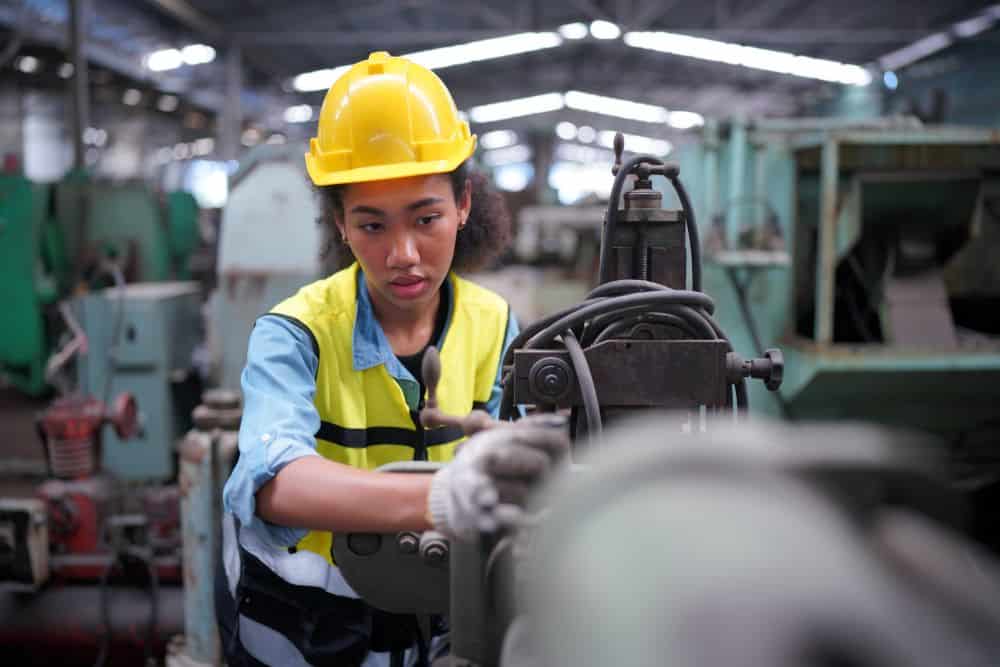
If you’re curious about the machining industry in Vietnam and what it has to offer, you’re in the right place. This rapidly evolving sector is becoming a hub for quality manufacturing, attracting both local and international businesses. In this text, we’ll explore the industry’s world, highlight key players, jump into the services available, and examine the various advantages and challenges faced in this vibrant market. So, whether you’re looking to outsource production, partner with local firms, or simply understand this booming sector, let’s investigate right into the the details.
Overview Of The Machining Industry In Vietnam
Vietnam’s machining industry has undergone significant transformation in recent years, evolving from a small player to a serious contender in the global manufacturing world. With its strategic location in Southeast Asia, Vietnam boasts a robust infrastructure, a growing pool of skilled workers, and competitive labour costs. The country’s commitment to improving its technology and manufacturing capabilities has positioned it as a go-to destination for various industries, including automotive, aerospace, and electronics.
As of now, the country is witnessing remarkable growth in its machining sector, largely due to foreign direct investments and a shift in global supply chains. This shift has been catalyzed by trade agreements and incentives from the Vietnamese government, further encouraging businesses to explore machining opportunities here.
Key Players In The Vietnamese Machining Sector
You’ll find a mix of both local and international companies operating in Vietnam’s machining sector. Some of the key players include:
- MECO Engineering: Specialising in precision machining and assembly, MECO has carved out a strong reputation in the automotive industry.
- Vinasoy: While primarily known for food production, they have ventured into machining services, providing high-quality components for various sectors.
- FPT Corporation: One of Vietnam’s largest technology companies, FPT is making waves in the machining sector through its innovative solutions and services.
- Manufacturing firms from Japan and South Korea, such as Daikoku and Dongbu, also add to the competitive world, incorporating advanced technology and practices.
Types Of Machining Services Offered
When it comes to machining services, Vietnam offers a wide array tailored to meet various industry needs. Here are some common types:
CNC Machining
CNC (Computer Numerical Control) machining is among the most sought-after services. It allows for high precision and efficiency, making it ideal for producing intricate components.
Casting and Molding
This technique is prevalent in industries requiring robust and durable parts. Casting and molding can produce complex shapes that might be challenging to achieve through other methods.
Laser Cutting
Laser cutting is widely utilised for its precision and ability to cut various materials, from metals to plastics, making it beneficial for custom orders.
Assembly Services
Beyond mere machining, many companies offer assembly services, contributing to a one-stop solution for clients looking to streamline their production processes.
Advantages Of Machining In Vietnam
There are several advantages to choosing Vietnam for your machining needs. Let’s break down some of the most compelling benefits:
Cost-Effectiveness
With lower labour costs compared to many Western countries, you can achieve significant cost savings without compromising quality.
Skilled Workforce
Vietnam has a growing workforce that is increasingly well-trained in modern machining techniques. This ensures that you benefit from both skill and reliability when outsourcing.
Government Support
The government actively promotes foreign investments in machining and manufacturing through incentives, making it easier and more attractive to establish operations here.
Strategic Location
Located close to major markets across Asia, Vietnam serves as a strategic base for companies looking to access regional and global markets efficiently.
Challenges Faced By The Machining Industry
Even though its potential, the machining industry in Vietnam isn’t without its challenges:
Infrastructure Limitations
While continually improving, certain areas still struggle with inadequate infrastructure that can affect transport and delivery times.
Competition
As more players enter the market, competition becomes fiercer. Distinguishing yourself from others may require innovation and unique selling points.
Regulatory Hurdles
Exploring local regulations can be a challenging job, especially for foreign companies unfamiliar with the Vietnamese business world.
Future Trends In Vietnamese Machining
Looking ahead, the Vietnamese machining industry is likely to experience several exciting trends:
Automation and Smart Manufacturing
With advancements in technology, more companies are leaning towards automation, aiming to increase efficiency and reduce human error.
Sustainable Practices
As global awareness of sustainability rises, many machining companies in Vietnam are beginning to adopt eco-friendly practices, appealing to environmentally-conscious clients.
Increased Investment
Expect to see more investment from both domestic and foreign companies, particularly as machining vietnam continues to establish itself as a manufacturing powerhouse.
Conclusion
Summarizing, Vietnam’s machining industry offers a combination of skilled labor, competitive prices, and government support that makes it an attractive option for businesses looking to outsource production. While there are challenges to navigate, the benefits often outweigh the drawbacks. As you consider your options in machining, Vietnam stands out as a viable candidate with a promising future. Whatever your sector, there’s a good chance you’ll find the right machining solutions that suit your needs.